Match the container to the mature crop, then make drainage and watering easy.
Choose the crop before the pot
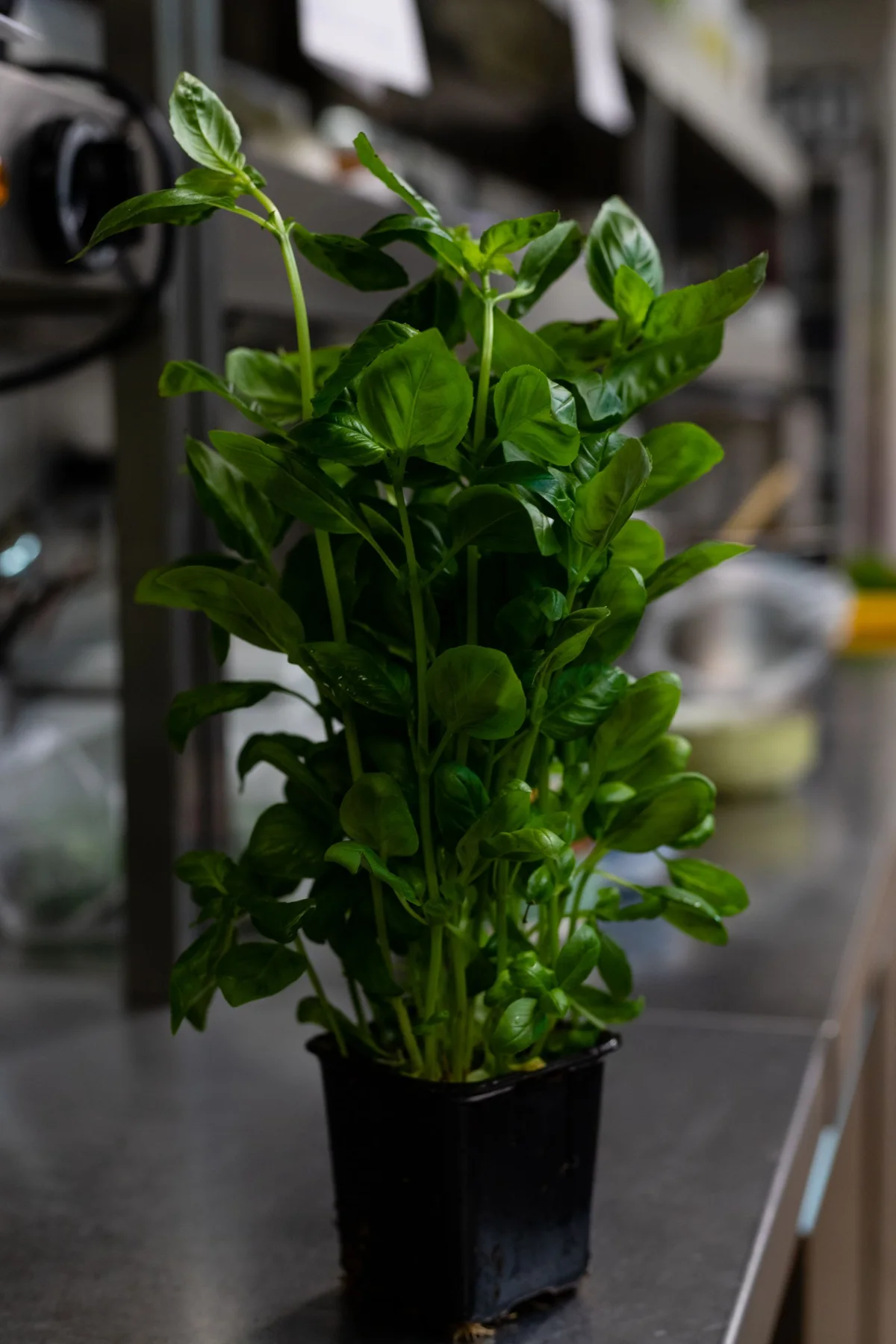
A small herb and a fruiting tomato do not need the same root space. Read the variety guidance and choose a container large enough for the mature plant. Compact or patio varieties can help, but the label is not a replacement for checking the actual dimensions and support needs.
Check drainage and weight
Use a container intended for growing plants, with open drainage holes and suitable material for food gardening. Consider its weight once wet, especially on a balcony or roof. Confirm structural capacity with the property owner or a qualified professional where relevant. Put the pot in position before filling it.
Use a container growing mix
A quality potting mix is designed to balance water retention and air in a container. Soil dug from the yard may compact and drain poorly in a pot. Check whether the mix already contains fertilizer before adding any more, and follow the crop and product guidance rather than combining multiple feeds.
Build a checking habit
Container moisture can change quickly in sun and wind. Check the growing mix rather than following an unchanging weekly schedule. Water as needed and allow excess to drain. A saucer that stays full can keep roots too wet. Keep the container where you can inspect leaves, tie supports, and harvest without moving it each time.
Put one idea to work.
Choose one decision from this guide and add it to your garden plan. Our free tool can help with the next step.
Open the planning tool ↗Sources & further reading
These extension resources support the growing principles in this guide. Our examples and planning suggestions are editorial explanations. Local recommendations take priority where conditions differ.
- University of Maryland Extension: Growing vegetables in containers ↗
- University of Maryland Extension: Maintaining container-grown vegetables ↗
Reviewed September 26, 2026. Read our editorial approach.