Group plants by their care needs, not just by the fact that they are herbs.
Start from the kitchen
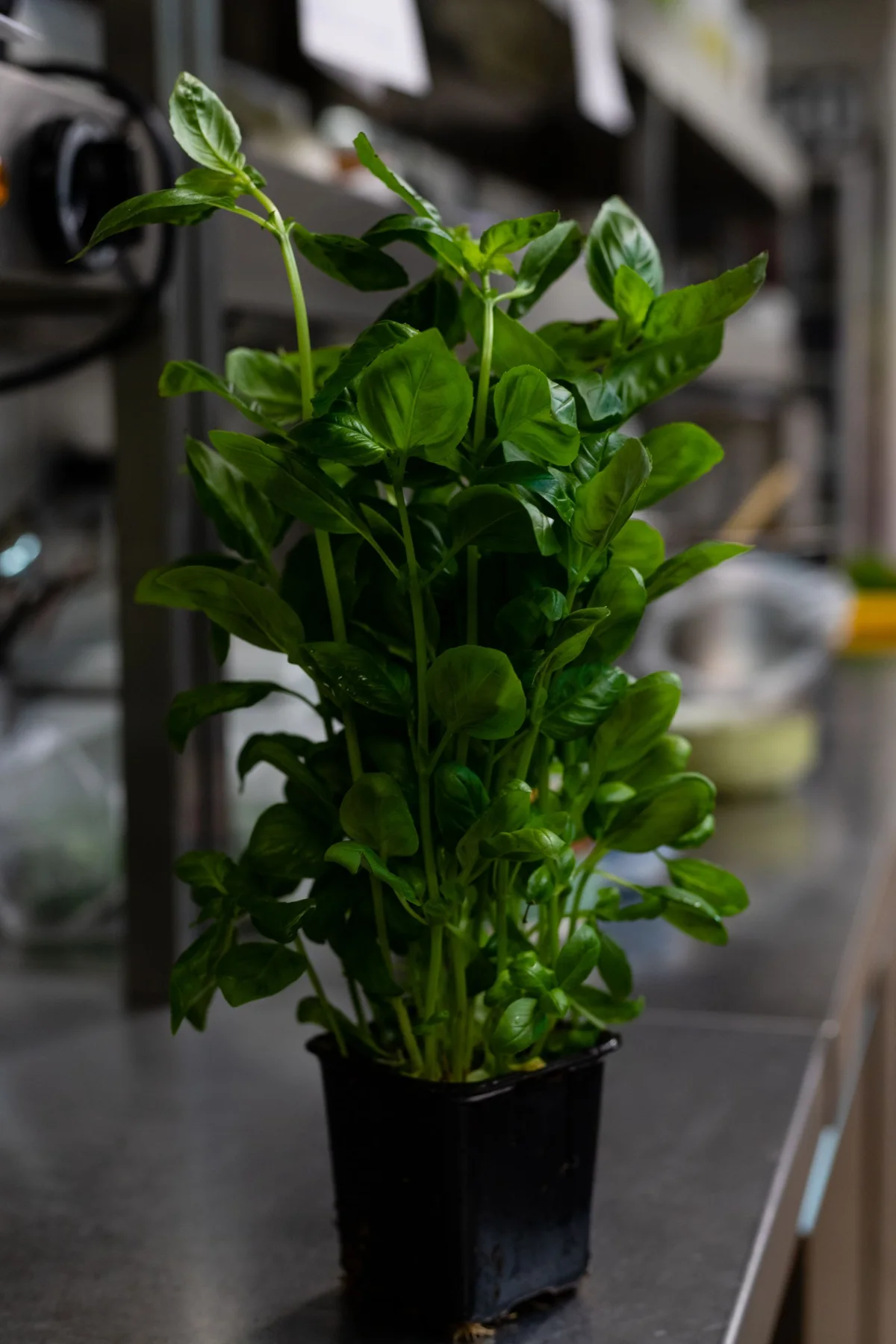
Write down the herbs you use in a normal week. Choose two or three instead of an entire collection. A frequently used basil plant can be a better first project than a complicated arrangement of herbs you rarely cook with. Match the list to the season and the light you have.
Do not force every herb into one pot
Plants sold together as herbs may prefer different moisture levels, temperatures, and root space. Give each plant room to mature and check its individual requirements. Separate pots make it easier to adjust care, move a plant when conditions change, and replace a crop that has finished.
Make daily access easy
Put the garden where you can inspect it, reach water, and harvest without moving heavy containers. Ensure pots drain freely and use an appropriate potting mix. If the spot beside the kitchen is too shaded, convenience alone will not make it a good growing site.
Harvest a little, then watch the response
Use correctly identified edible herbs and follow plant-specific harvesting guidance. Leave healthy foliage for regrowth and use clean tools when cutting stems. Record whether you actually used the harvest. The best expansion plan is the one supported by your cooking habits and the plants that grew well.
Put one idea to work.
Choose one decision from this guide and add it to your garden plan. Our free tool can help with the next step.
Open the planning tool ↗Sources & further reading
These extension resources support the growing principles in this guide. Our examples and planning suggestions are editorial explanations. Local recommendations take priority where conditions differ.
- University of Maryland Extension: Growing vegetables in containers ↗
- University of Maryland Extension: Maintaining container-grown vegetables ↗
- NC State Extension: Vegetable gardening handbook ↗
Reviewed September 26, 2026. Read our editorial approach.