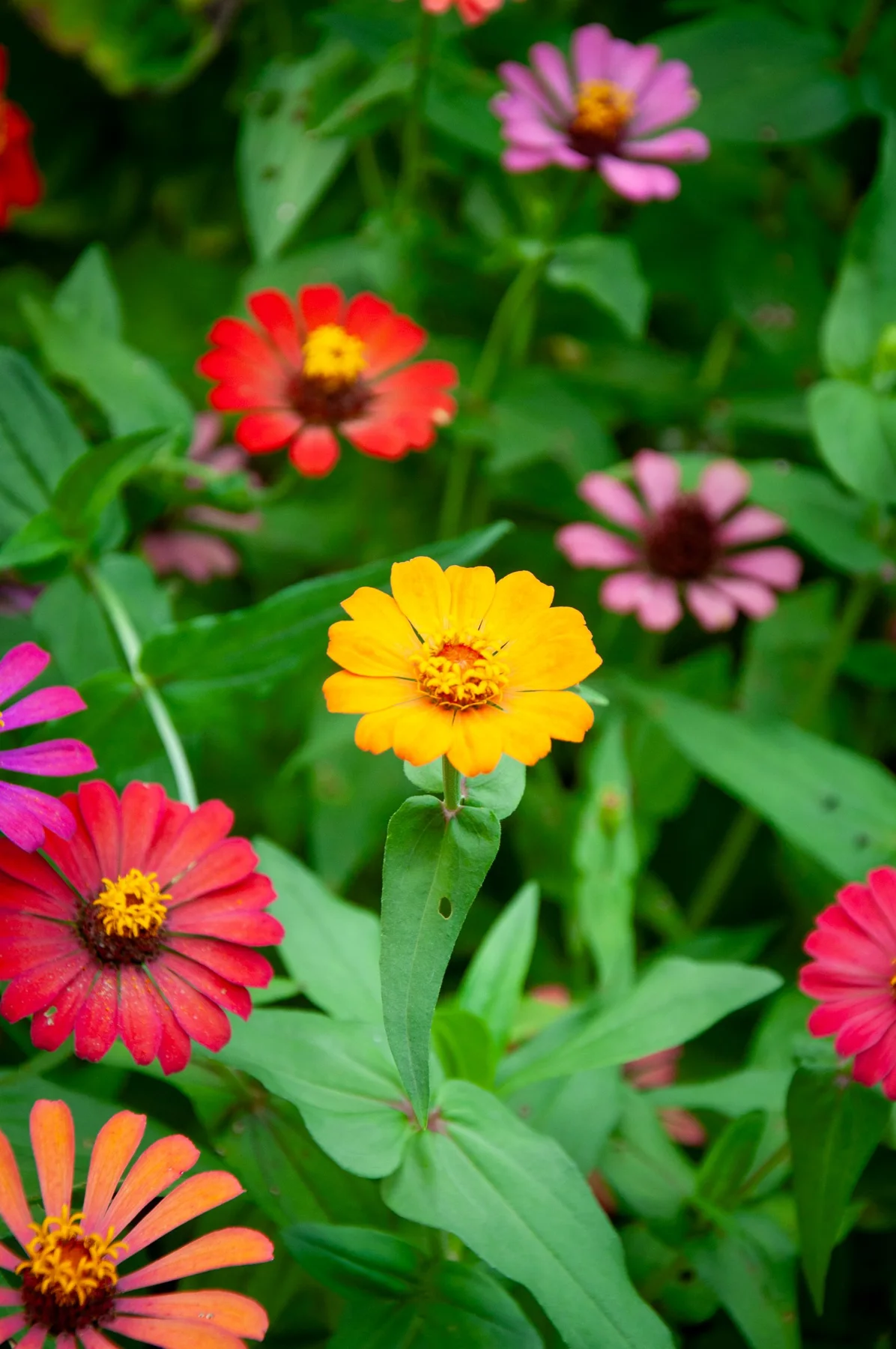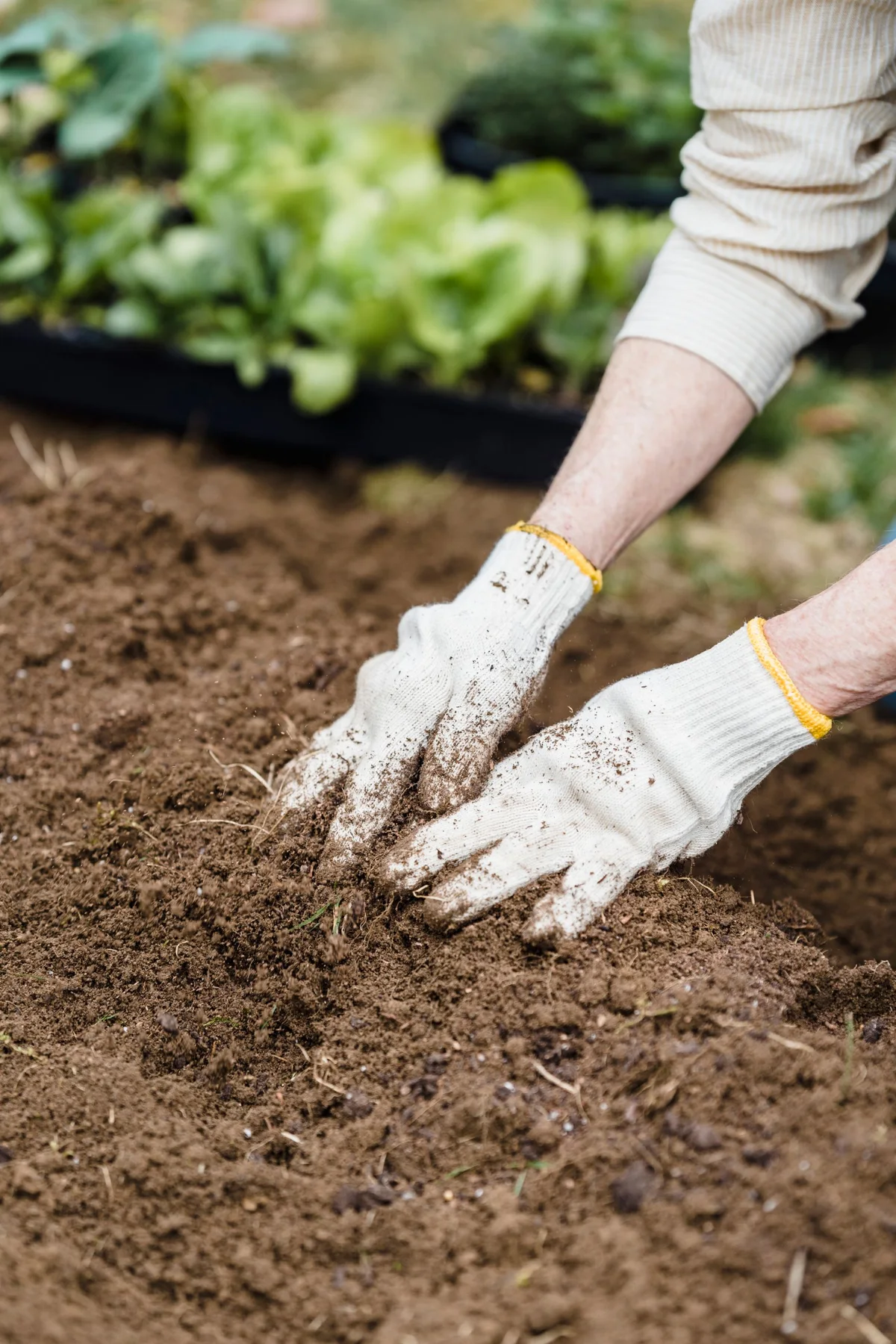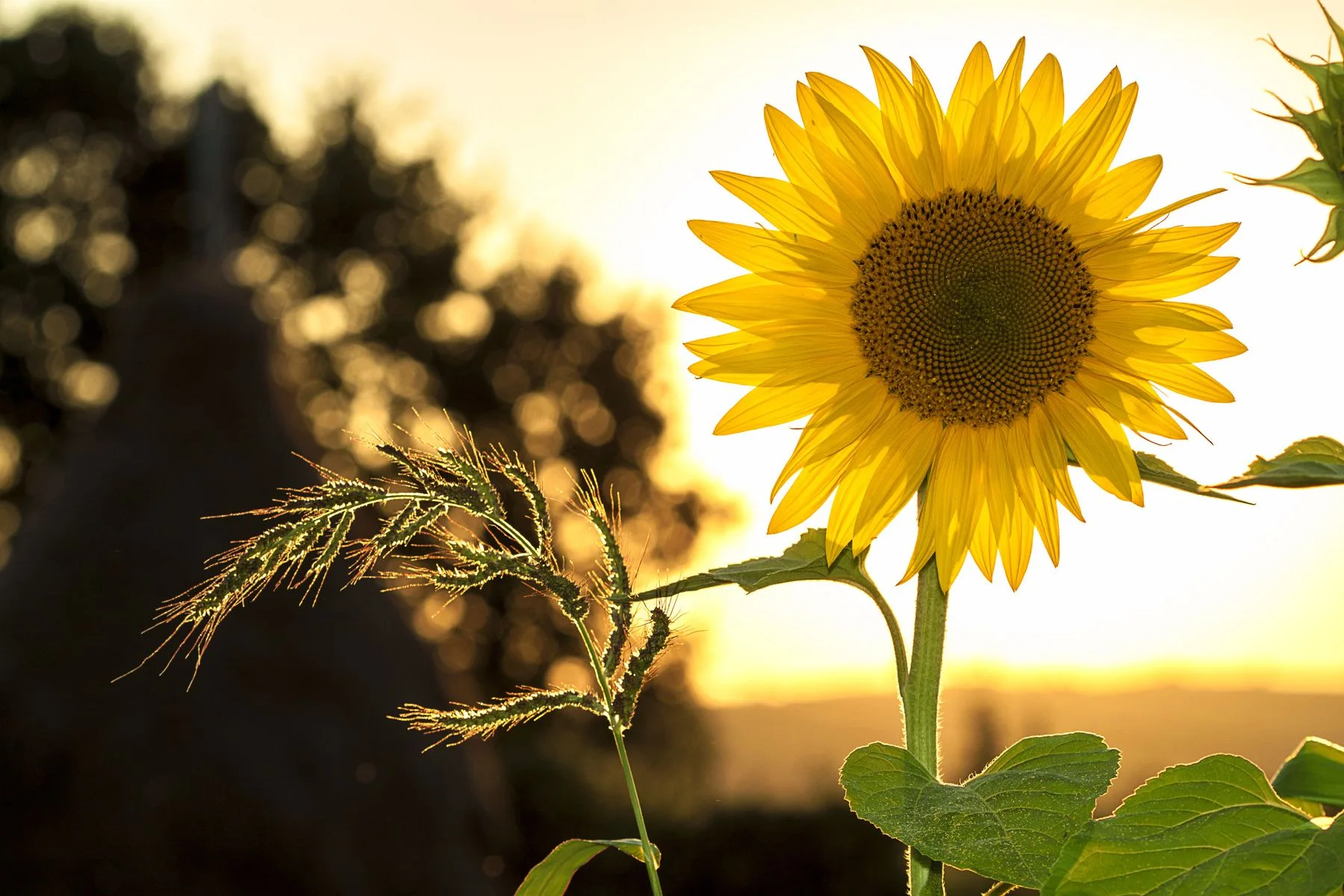
A pollinator planting is a local habitat decision, not just a colourful seed mix.
Begin with your region
Look for plant lists from a local extension service or native-plant organization. A flower that feeds insects in one region is not automatically the best ecological choice elsewhere. Check invasive-species restrictions before buying a mix, and ask the supplier for species names instead of relying on a “wildflower” label.
Spread the flowering season
Use a simple table with early, middle, and late local bloom periods. Add suitable plants that help cover gaps rather than choosing only what looks good at the garden centre today. Include a range of flower shapes and check whether ornamental breeding has changed the resources a variety offers.
Leave room for the rest of the life cycle
Pollinators also need nesting and overwintering places. The right habitat depends on the species and location; consult regional advice about stems, leaf litter, and undisturbed ground. Keep paths and building access practical while identifying a small area that can be managed with habitat in mind.
Observe before you intervene
Make a five-minute visit and record which plants receive visitors. Do not assume every insect needs control. Identify a pest and the extent of damage before taking action, and follow local integrated pest management advice if treatment is necessary. Avoid making a routine spray schedule part of a pollinator project.
Put one idea to work.
Choose one decision from this guide and add it to your garden plan. Our free tool can help with the next step.
Open the planning tool ↗Sources & further reading
These extension resources support the growing principles in this guide. Our examples and planning suggestions are editorial explanations. Local recommendations take priority where conditions differ.
Reviewed September 26, 2026. Read our editorial approach.