Material, depth, and timing need to suit the crop and the growing conditions.
Name the problem you want to solve
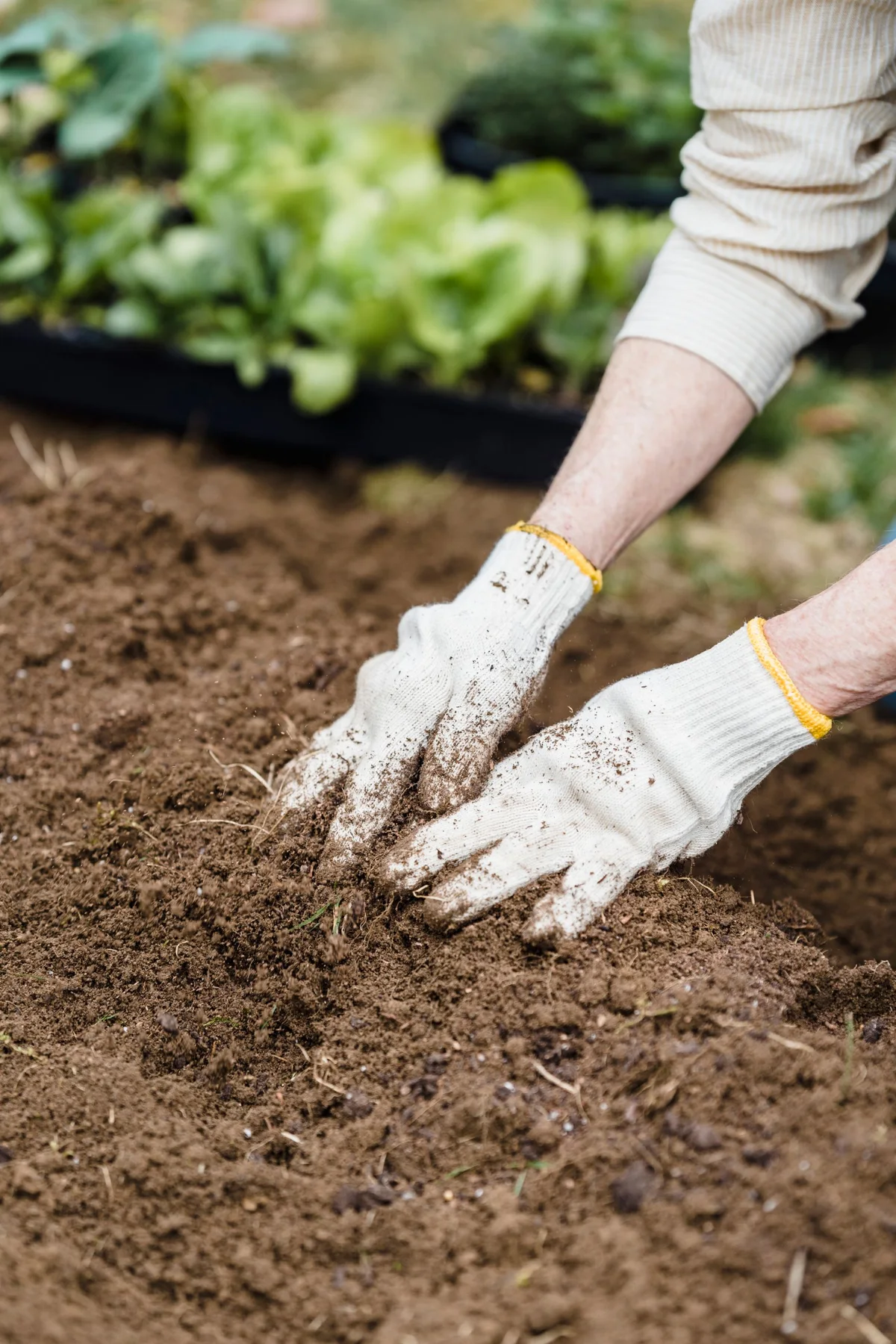
Mulch can help manage weeds and moisture, but it is not a fix for every soil problem. Decide whether the priority is reducing bare ground, limiting surface drying, or keeping a path manageable. Distinguish an ornamental path from the planting bed before using the same material everywhere.
Choose clean, appropriate material
Ask where the material came from and whether contamination, weed seeds, or persistent herbicides are a concern. Follow local recommendations for edible gardens. A free load is only useful when it suits the purpose. Do not mix mulch into the root zone simply because it is available.
Measure the actual area
Calculate the surface area you intend to cover and choose a depth supported by local advice for the material and crop. Our volume tool converts your chosen dimensions into an estimate; it cannot decide an appropriate depth for you. Leave clear space around stems and avoid covering seedlings.
Keep checking underneath
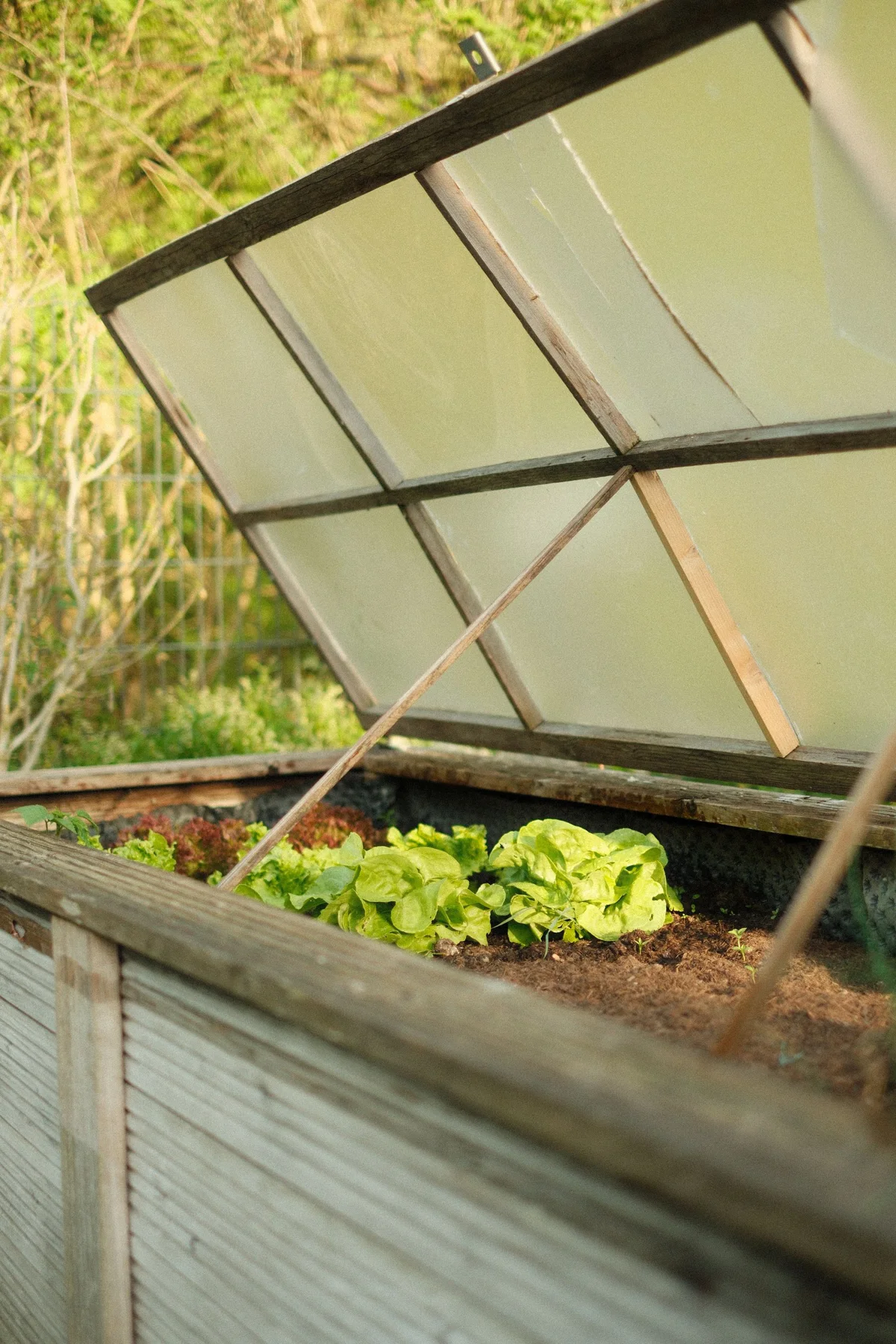
Move a little mulch aside to assess soil moisture rather than judging the surface alone. Inspect after heavy rain and adjust where material has shifted against plants. Record what you used and whether it made maintenance easier before repeating the purchase next season.
Put one idea to work.
Choose one decision from this guide and add it to your garden plan. Our free tool can help with the next step.
Open the planning tool ↗Sources & further reading
These extension resources support the growing principles in this guide. Our examples and planning suggestions are editorial explanations. Local recommendations take priority where conditions differ.
- NC State Extension: Vegetable gardening handbook ↗
- University of Maryland Extension: Soil to fill raised beds ↗
Reviewed September 26, 2026. Read our editorial approach.