A compost system works best when it fits your available space, materials, and routine.
Choose a system you can manage
Think about how you will collect materials, reach the pile, and use finished compost. Check local rules and pest considerations before choosing an open heap, enclosed bin, or collection service. The most useful option is one you will maintain consistently; an elaborate system that is difficult to reach can become a neglected corner.
Balance the materials
Home composting uses microorganisms to break down organic material. Combine moist, nitrogen-rich inputs such as vegetable scraps with dry, carbon-rich materials such as fallen leaves. A pile also needs air and moisture. Aim for a damp, wrung-out-sponge feel rather than saturation, and turn or adjust the mix if conditions become compacted and smelly.
Keep a sensible exclusion list
For a basic home pile, leave out meat, dairy, pet waste, and materials contaminated with chemicals. Do not assume an unmanaged pile reliably destroys weed seeds or plant pathogens. Ask local extension guidance about diseased plants and persistent weeds before adding them.
Record what you add and how it behaves
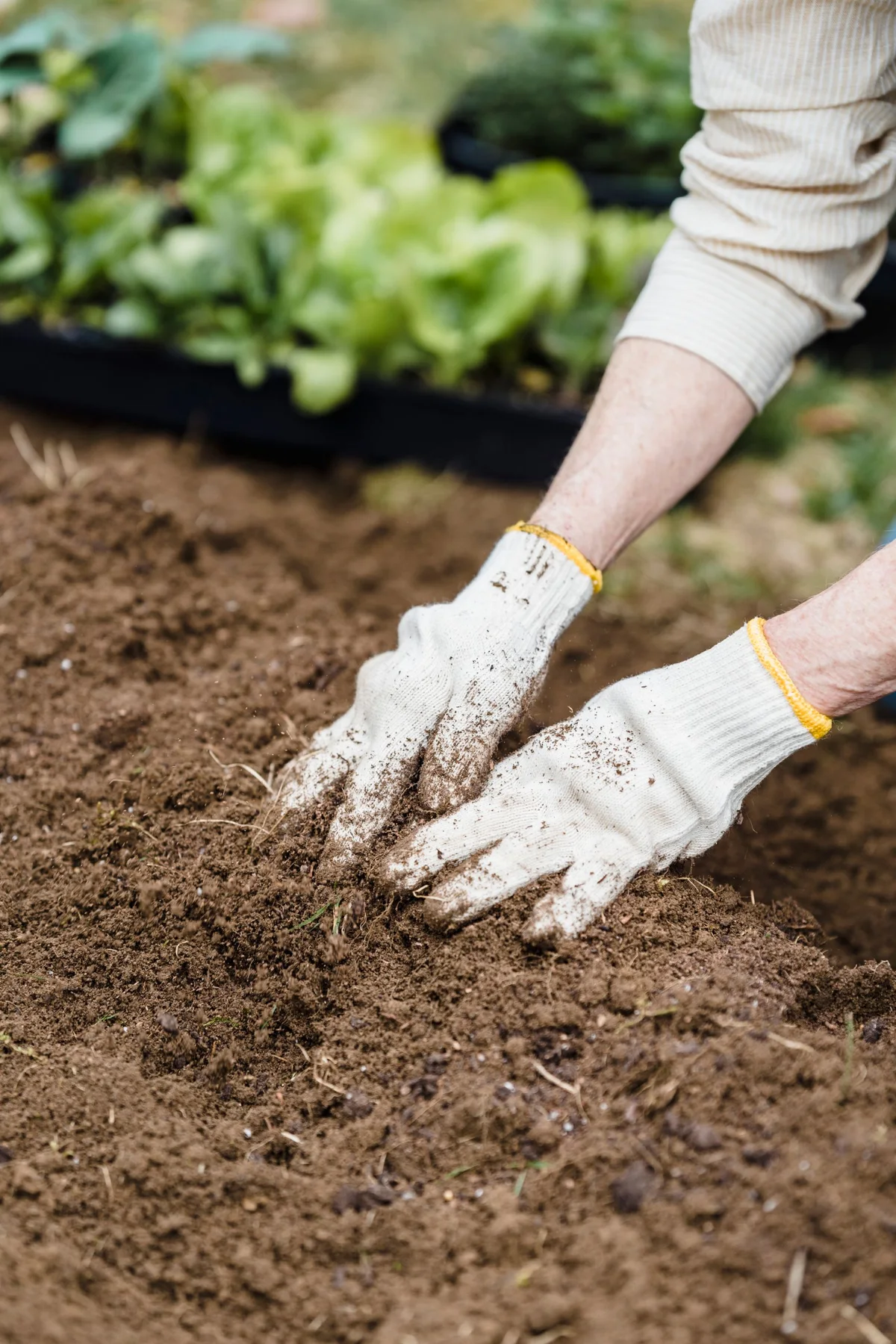
Keep a brief note when you make a substantial change: a large batch of leaves, extra water, or turning the pile. Look for cause and effect rather than expecting an exact finish date. Use mature compost as a soil amendment according to the needs of the garden; it is not automatically a complete container mix or a replacement for a soil test.
Put one idea to work.
Choose one decision from this guide and add it to your garden plan. Our free tool can help with the next step.
Open the planning tool ↗Sources & further reading
These extension resources support the growing principles in this guide. Our examples and planning suggestions are editorial explanations. Local recommendations take priority where conditions differ.
Reviewed September 26, 2026. Read our editorial approach.