A watering schedule is a reminder to check, not an instruction to water.
Check below the surface
A dry-looking surface does not always mean the root zone is dry. Check moisture below the top layer, taking care around roots, and compare different parts of the bed. Small seedlings need attention close to their shallow roots; established plants use a larger volume of soil. Observe drainage after watering.
Change the routine with the weather
Heat, wind, rain, plant size, and container material all affect water use. A pot beside a warm wall may dry faster than a nearby bed. Treat a phone reminder as a prompt to inspect conditions. Record what you find for a week before deciding a repeated pattern exists.
Apply water where it is useful
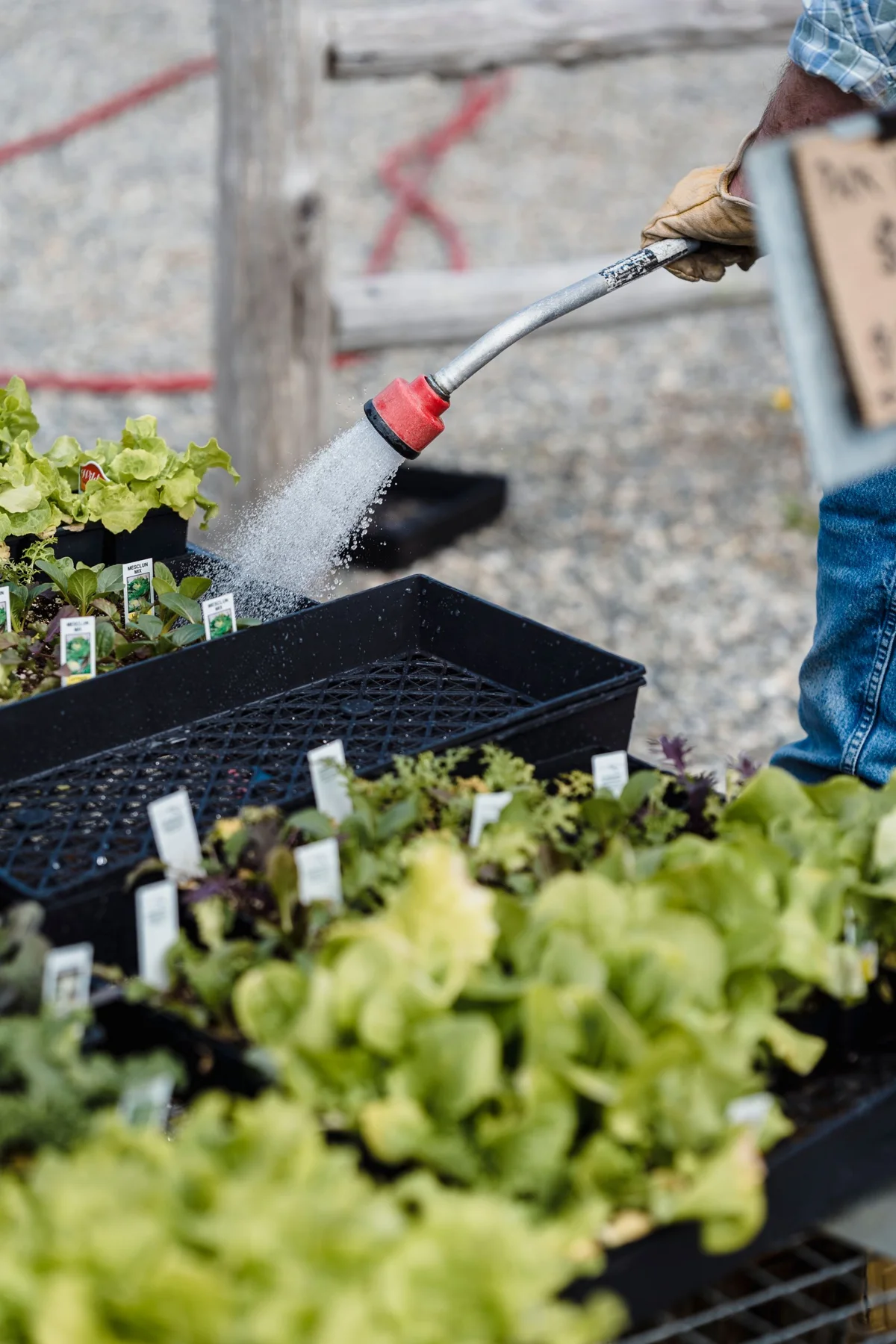
Direct water toward the growing medium and let it soak in rather than run down a path. Check that drip emitters reach the intended plants and are not blocked. Avoid assuming a brief sprinkle has wetted the root zone. Mulch can help reduce evaporation, but keep it away from stems and do not hide a persistent drainage problem.
Investigate wilting before adding more
Wilting can have more than one cause. Check soil moisture, drainage, recent heat, and visible damage before responding with extra water. If the soil is wet and the plant is still declining, more water may make things worse. Photograph the whole plant and affected leaves and seek local diagnostic help if the cause remains unclear.
Put one idea to work.
Choose one decision from this guide and add it to your garden plan. Our free tool can help with the next step.
Open the planning tool ↗Sources & further reading
These extension resources support the growing principles in this guide. Our examples and planning suggestions are editorial explanations. Local recommendations take priority where conditions differ.
- University of Maryland Extension: Maintaining container-grown vegetables ↗
- NC State Extension: Vegetable gardening handbook ↗
Reviewed September 26, 2026. Read our editorial approach.