Confirm the problem before adding an amendment or treatment.
Look at the location and pattern
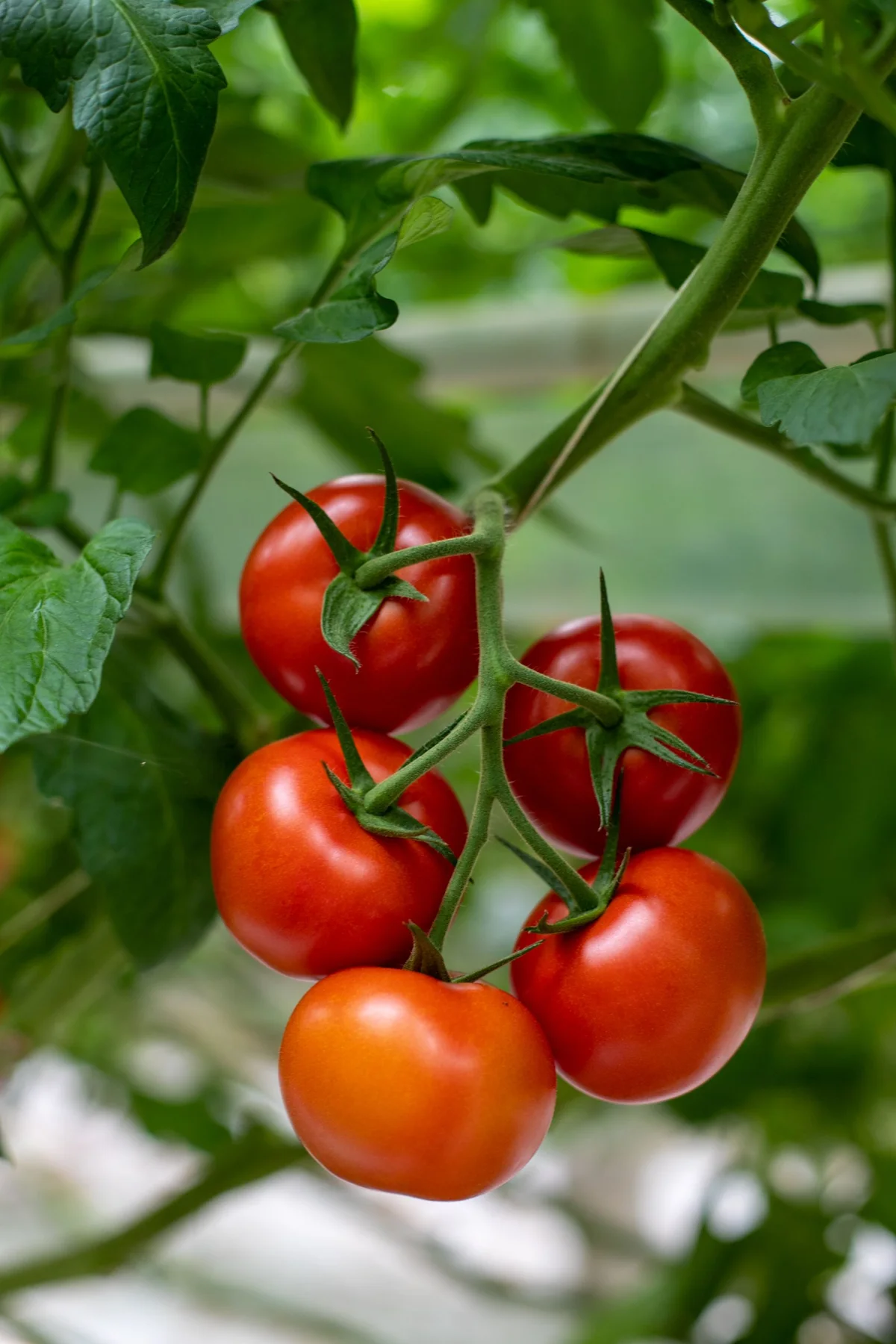
Blossom-end rot often appears as a dark, sunken area on the blossom end of a tomato or another susceptible fruit. A photograph alone may not rule out other problems. Check multiple fruits, the whole plant, and the growing conditions. Local extension diagnostic services can help if the pattern is unclear.
Understand calcium delivery
The disorder is associated with inadequate calcium reaching developing fruit. That does not automatically mean the soil lacks calcium. Uneven moisture and other stresses can interfere with movement through the plant. A soil test and a care review are more informative than assuming a calcium supplement will solve it.
Review the routine first
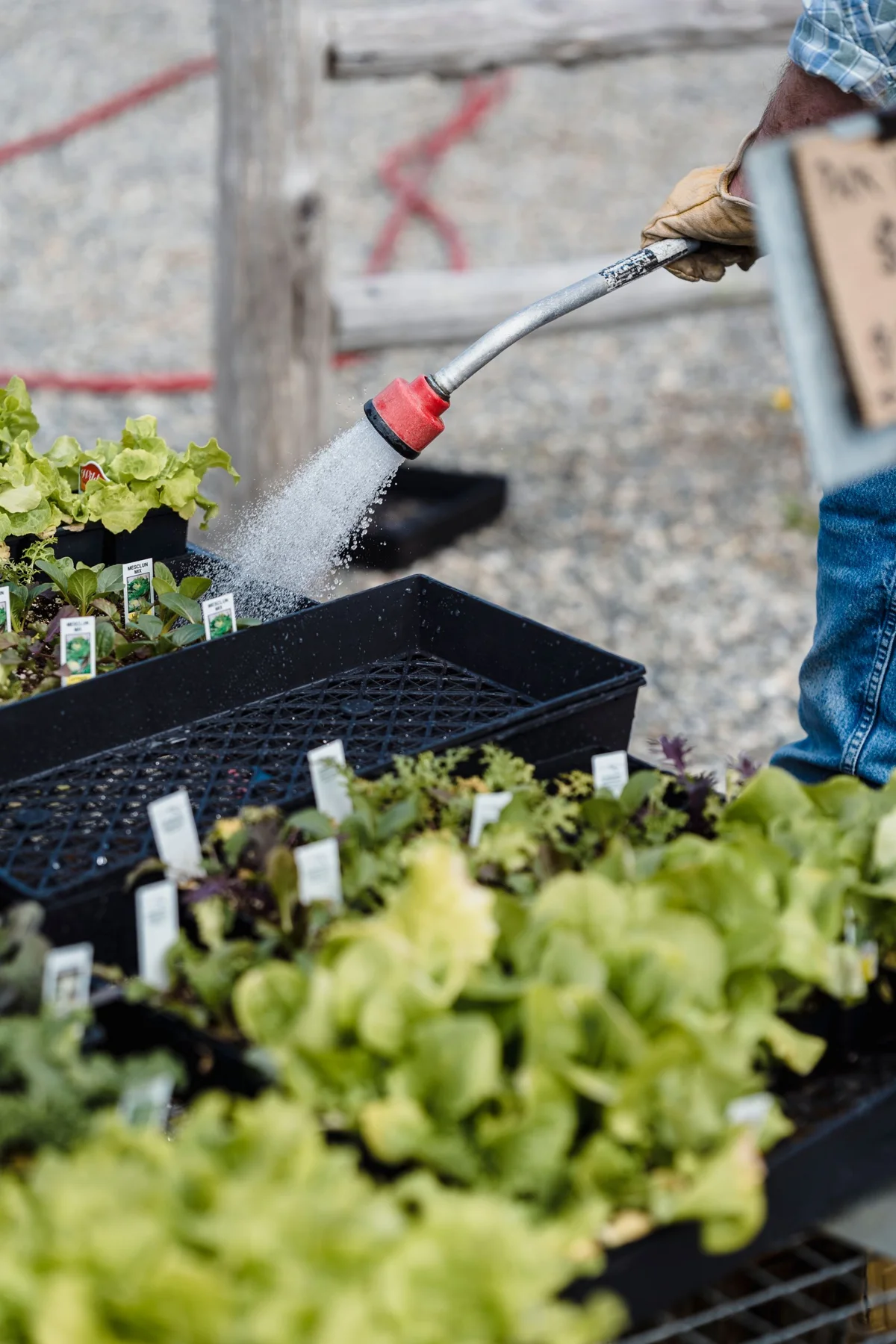
Check whether the root zone cycles between very dry and very wet, whether containers drain, and whether roots may have been damaged. Maintain appropriate, more consistent moisture. Avoid excessive fertilization. Epsom salt supplies magnesium, not calcium, and is not a default treatment for blossom-end rot.
Track new fruit
Damaged tissue will not turn back into healthy fruit after a change in care. Record the date of the adjustment and observe developing fruit over time. If symptoms persist or differ from the expected pattern, seek a diagnosis rather than adding several treatments at once. Changing one relevant factor at a time makes the result easier to interpret.
Put one idea to work.
Choose one decision from this guide and add it to your garden plan. Our free tool can help with the next step.
Open the planning tool ↗Sources & further reading
These extension resources support the growing principles in this guide. Our examples and planning suggestions are editorial explanations. Local recommendations take priority where conditions differ.
Reviewed September 26, 2026. Read our editorial approach.