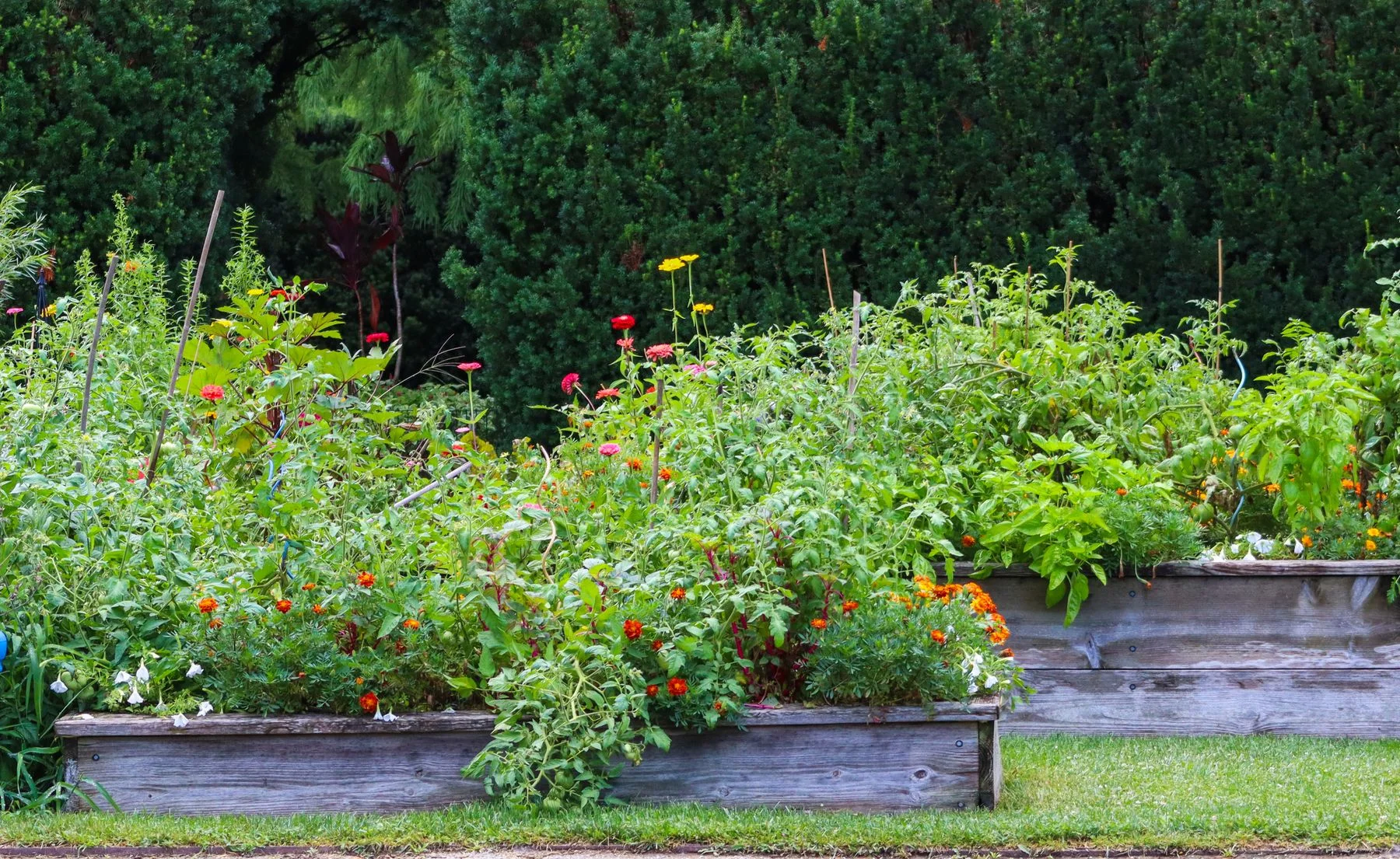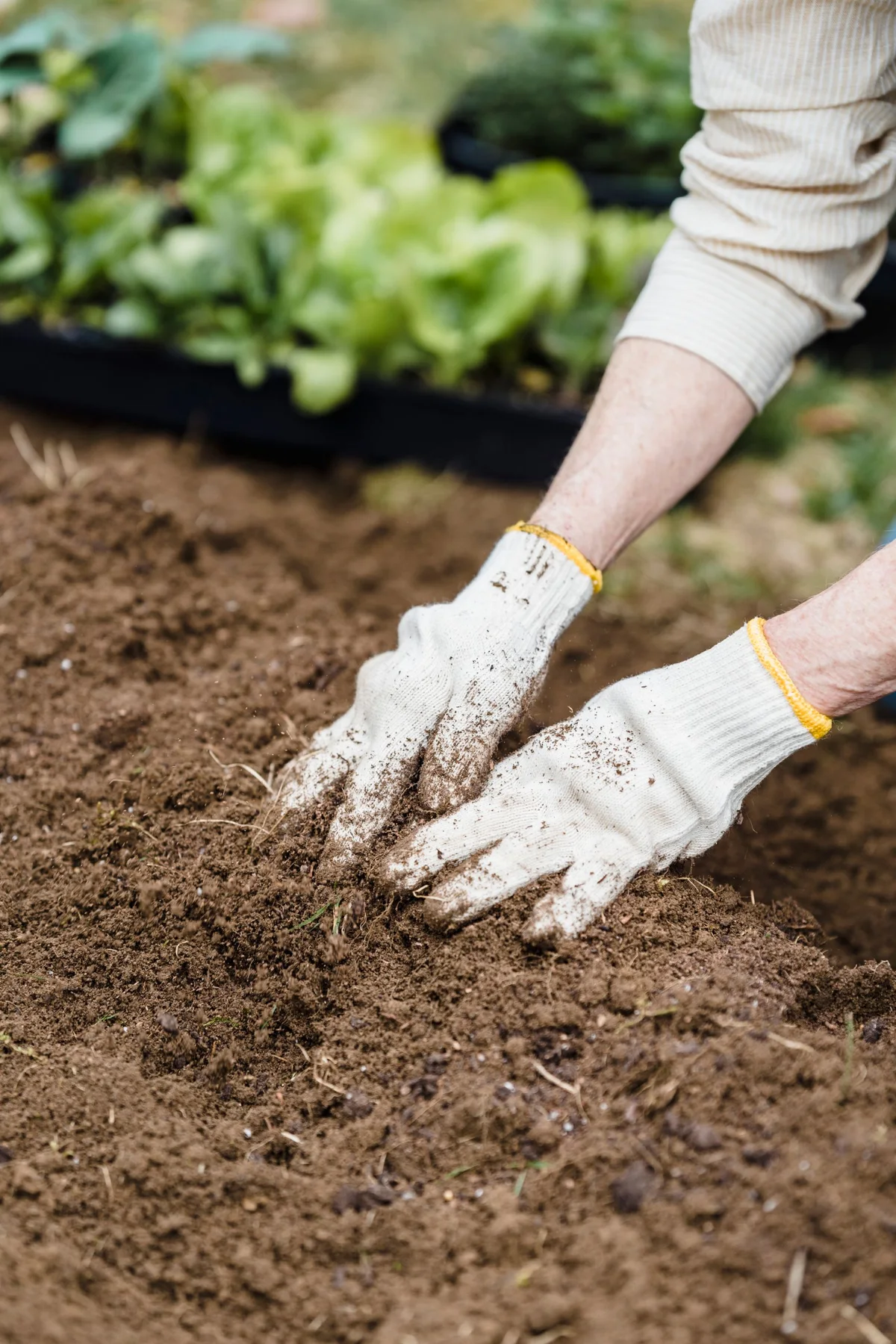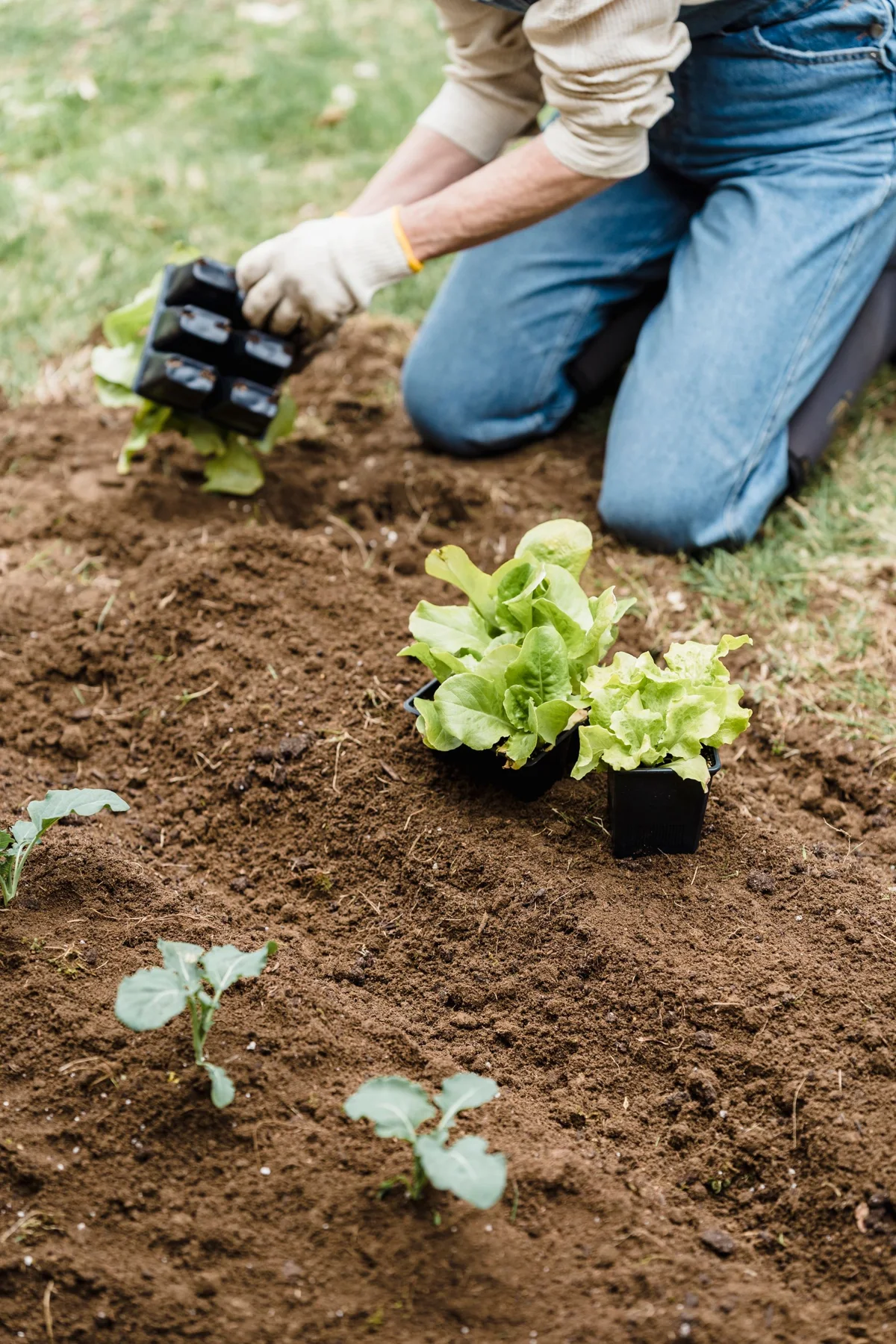
One manageable bed is enough to learn how your garden works.
Begin with the space you can care for
A first garden is a learning space. Before choosing a bed or filling a shopping cart, decide how often you can check it and how you will reach water. A small plot near a frequently used door is easier to notice than a large one at the far end of the yard. Containers can also be a sensible first step if the site and crops suit them.
Observe before you buy
Watch your proposed spot in the morning, around midday, and in the afternoon. Record direct sun rather than general brightness. Many fruiting vegetables need at least six hours of direct sun; shade, buildings, and trees can change that pattern through the season. Notice puddles after rain and leave room to reach the plants.
- Write down the hours of direct sun on a clear day.
- Locate the nearest water supply and check hose reach.
- Measure the usable growing area and the paths around it.
Choose a short list you will actually eat
Start with three or four crops that suit your local planting window. Read the seed packet or transplant label for mature size, spacing, and timing. A compact bush bean and a climbing bean make very different demands on the same bed. Choose varieties for your available space, not just a photograph of the harvest.
Make the first week concrete
Give each task a day: observe the site, measure, choose crops, check local guidance, then buy supplies. Keep a note of the variety and planting date. Your aim is not a perfect plan; it is a garden small enough that you can notice what changes. Expand after a season of seeing which jobs fit your routine.
Put one idea to work.
Choose one decision from this guide and add it to your garden plan. Our free tool can help with the next step.
Open the planning tool ↗Sources & further reading
These extension resources support the growing principles in this guide. Our examples and planning suggestions are editorial explanations. Local recommendations take priority where conditions differ.
- University of Maryland Extension: How to start a vegetable garden ↗
- NC State Extension: Vegetable gardening handbook ↗
Reviewed September 26, 2026. Read our editorial approach.